

Essential Auto Parts for Popular Asian and European Vehicles in the USA
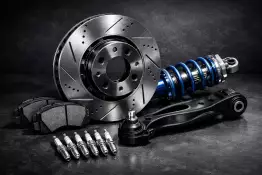
The Ultimate Guide to Sourcing Premium Auto Parts: Quality, Affordability, and Lightning-Fast Global Shipping
Maintaining a vehicle in the United States has traditionally meant relying on local brick-and-mortar stores or domestic online retailers. While convenient, this approach often comes with a significant markup, limited inventory, and compromises on brand quality. However, the automotive landscape has evolved. Today, savvy car owners and independent mechanics are discovering that the secret to getting premium auto parts at unbeatable prices lies across the Atlantic. By tapping into a massive European warehouse boasting over 1 million unique components, you can bypass local markups and secure top-tier aftermarket auto parts for a fraction of the cost.

You might be wondering: "What about shipping times?" This is where the modern global supply chain shines. Thanks to strategic partnerships with global logistics leaders, orders are dispatched via FedEx and DHL, arriving at your doorstep in the US in just 2 to 3 days. That is often faster than standard ground shipping from a domestic warehouse two states away. Whether you are performing routine maintenance on a reliable daily commuter or undertaking a massive suspension overhaul, having access to an infinite catalog of car parts ensures your vehicle stays on the road without breaking the bank.
In this comprehensive guide, we will explore the most critical components that keep the most popular cars on American roads running flawlessly. From legendary Japanese reliability to refined luxury, models like the Honda Accord, Honda Civic, Honda CR-V, Lexus ES, Mazda 3, Subaru Outback, Toyota Camry, Toyota Corolla, Toyota Prius, and the rugged Toyota Tacoma dominate the highways. We will break down exactly which autoparts you need to monitor, the symptoms of their failure, and the trusted brands you should look for when it is time for a replacement.
1. Routine Maintenance: The Lifeblood of Your Engine
The foundation of automotive longevity lies in strict adherence to maintenance schedules. Neglecting these inexpensive components can lead to catastrophic engine failure and massive repair bills.
The Oil Filter
An engine is a complex assembly of rapidly moving metal parts operating under extreme heat and pressure. The engine oil is responsible for lubricating these parts, but it quickly accumulates microscopic metal shavings, carbon deposits, and sludge. The Oil filter acts as the kidney of your engine, trapping these contaminants before they can circulate and score the cylinder walls or damage the bearings. For vehicles known for hitting the 300,000-mile mark, such as the Toyota Camry and Honda Accord, using a premium filter is non-negotiable. When shopping for global parts, look for industry-leading filter brands like Mann-Filter, Mahle, and Bosch. These manufacturers use advanced synthetic blend media that offer superior dirt-holding capacity and flow rates, ensuring your engine receives clean oil even during cold starts.
The Fuel Filter
Modern fuel injection systems are incredibly precise, with injector nozzles featuring microscopic spray holes. Even the tiniest particle of dirt or rust from a gas station pump can clog an injector, leading to misfires, poor fuel economy, and a rough idle. The Fuel Filter stands as the ultimate barrier between your gas tank and the engine. While some modern cars like the Toyota Prius have lifetime filters built into the fuel pump, many vehicles still require regular inline filter replacements. Swapping this out ensures optimal fuel pressure and protects your expensive high-pressure fuel pump.
The Cabin Air Filter
While the oil and fuel filters protect the engine, the Cabin Air Filter protects you. Positioned behind the glove box or under the cowl in most vehicles, this pleated paper or activated charcoal filter cleans the air entering the HVAC system. It traps pollen, dust, exhaust soot, and unpleasant odors. If you are driving a family-hauler like the Honda CR-V, a clogged cabin filter not only makes the interior smell musty but also drastically reduces the efficiency of your air conditioning and heater, forcing the blower motor to work harder and potentially burn out. Changing this filter takes five minutes and makes a world of difference in your daily commute.
The Spark Plug
The internal combustion engine relies on a precise, perfectly timed electrical arc to ignite the compressed air-fuel mixture. The Spark plug is responsible for delivering this arc millions of times over its lifespan. As the electrodes wear down, the gap widens, leading to weak sparks, misfires, sluggish acceleration, and a drop in MPG. For efficient compacts like the Toyota Corolla or the sporty Mazda 3, upgrading to iridium or platinum spark plugs from legendary brands like NGK, Denso, or Bosch ensures perfect ignition, smoother idling, and maximized fuel efficiency for up to 100,000 miles.
2. The Foundation of Safety: The Braking System
Your vehicle's ability to go fast is irrelevant if it cannot stop safely and predictably. Braking components are high-wear items that convert the kinetic energy of your moving vehicle into immense heat via friction.
Brake Pads
The Brake pads are the friction material that clamps down on the rotors to halt your vehicle. As you press the brake pedal, hydraulic pressure forces the pads against the spinning metal. Over time, the friction material wears incredibly thin. Squealing, grinding, or a spongy brake pedal are universally recognized signs that a replacement is overdue. For heavy commuters in a Lexus ES, you want ceramic pads that offer quiet operation, low brake dust, and smooth stopping power. Brands like Brembo, TRW, Textar, and ATE provide exact OEM-spec friction materials that guarantee safety without the irritating squeals associated with cheap local store brands.
The Brake Disc (Rotor)
The companion to the pad is the Brake disc (or rotor). This heavy cast-iron or composite disc spins with your wheel. Under heavy braking, rotors can easily exceed temperatures of 400 degrees Fahrenheit. Repeated heating and rapid cooling (like hitting a puddle after a long descent) can cause the disc to warp. A warped brake disc manifests as a violent pulsation in the steering wheel or brake pedal when stopping from highway speeds. When replacing pads, it is highly recommended to replace the discs simultaneously, especially on heavier vehicles like the Subaru Outback, to ensure a perfectly flat mating surface and maximum stopping leverage. Zimmermann, Brembo, and Bosch are renowned for their anti-corrosion coated discs that stay looking clean behind alloy wheels.
3. Suspension and Ride Dynamics: Mastering the Road
A vehicle's suspension system is a marvel of engineering designed to keep the tires firmly planted on the asphalt while isolating the cabin from spine-jarring potholes. As these parts wear out, a car transforms from a smooth cruiser into an unpredictable, clunking hazard.
The Strut and Shock Absorber
While often used interchangeably, they serve slightly different structural roles. A Strut (specifically the MacPherson strut) is a major structural component of the suspension that incorporates the coil spring and the damping unit into one assembly, often serving as the upper steering pivot. A standard Shock absorber, on the other hand, is an independent cylinder solely dedicated to dampening the oscillation of the springs. Without them, your car would bounce uncontrollably down the highway after hitting a single bump.
When struts or shocks leak their internal hydraulic fluid, your vehicle will suffer from excessive nose-dive under braking, body roll in corners, and uneven tire wear (cupping). If you want to restore the factory-fresh ride quality of your Honda Accord or the rugged off-road stability of a Toyota Tacoma, investing in premium damping units from Sachs, Bilstein, Monroe, or KYB is essential. These brands undergo rigorous testing to match the exact valving and rebound rates intended by the original automotive engineers.

The Control Arm and Swaybar Link
Connecting the chassis to the wheel hub is the control arm. This A-shaped or wishbone-shaped heavy metal forging features rubber bushings on the frame side and a ball joint on the wheel side. It dictates the up-and-down motion of the suspension. When the rubber bushings tear or the ball joint develops play, the wheel alignment shifts erratically, leading to wandering steering and loud clunks over speed bumps.
To keep the car flat during cornering, vehicles utilize an anti-roll bar, which is connected to the control arms or struts via a swaybar link. These small rods with ball joints on either end take immense stress. A snapping or clicking noise when turning into a driveway or driving over uneven pavement is the hallmark sign of a failed swaybar link. Lemförder (a ZF company) and TRW are the absolute gold standards for European and Asian suspension linkages, offering robust ball joints and highly durable rubber dust boots.
The Wheel Bearing and Steering Knuckle
At the center of it all is the steering knuckle, a massive cast iron or aluminum component that houses the wheel hub, attaches to the control arms and struts, and holds the brake caliper. While the knuckle itself rarely fails unless the vehicle is involved in a severe collision, the component pressed inside it—the Wheel bearing—is a high-wear item.
The wheel bearing allows your heavy wheels to spin effortlessly. As the internal grease degrades and moisture enters, the steel ball or roller bearings begin to pit. The result is a deep, rotational humming or roaring noise that gets louder as you accelerate, often changing pitch when you steer left or right. A failing wheel bearing on a Subaru Outback or Honda Civic can cause ABS faults and, in worst-case scenarios, allow the wheel to detach completely. Trusted brands like SKF, FAG, and SNR provide pre-assembled, sealed hub units that ensure perfectly smooth, frictionless rolling for years.
4. Precision Steering: Keeping You on Track
Steering is arguably the most interactive system in your vehicle. Any sloppiness here completely destroys the driving experience and poses a massive safety risk.
Inner Tie Rods
The steering rack converts the rotational movement of your steering wheel into linear motion, pushing the wheels left or right. The connection between the steering rack and the outer tie rod ends (which connect to the steering knuckle) is made by the Inner tie rods. Hidden behind rubber accordion boots, these long metal rods feature a hidden ball-and-socket joint. When this joint wears out, your steering will feel loose, you will experience a "dead zone" in the center of the steering wheel, and the vehicle will dart unpredictably on grooved highways. Replacing these restores the tight, responsive steering feel that models like the Mazda 3 are famous for.
5. Engine Cooling and Climate Control: Beating the Heat
Combustion generates astronomical amounts of heat. Without a robust cooling system, an engine would melt itself into a block of solid metal within minutes.
The Radiator and Water Pump
Coolant absorbs heat from the engine block and is pushed to the front of the vehicle, where the Radiator exposes it to oncoming airflow. The radiator is a massive heat exchanger made of delicate aluminum fins and plastic end tanks. Over time, road debris can puncture the fins, or the plastic tanks can become brittle and crack due to thousands of heat cycles, leading to massive coolant leaks and overheating.
The heart that circulates this fluid is the water pump. Usually driven by the timing belt or serpentine belt, the water pump features an internal impeller. When the pump's internal bearing fails or the seal breaks, you will notice a weeping coolant leak from the front of the engine or hear a loud grinding noise. On vehicles like the Toyota Prius, electric water pumps are used, which can fail electronically without physical leaks. Replacing a water pump with premium units from Aisin, Saleri, or Valeo is a critical preventative maintenance step to save your engine from thermal destruction.
The Air Conditioning Compressor
While the radiator cools the engine, the Air conditioning compressor cools the passengers. This heavy, belt-driven pump pressurizes the refrigerant gas, transforming it into a high-pressure liquid that eventually evaporates in the cabin, absorbing heat. When the compressor's internal clutch fails or the pump seizes, your AC will blow warm air, and you may hear a horrible screeching sound from under the hood. Upgrading to OEM-quality compressors from Denso, Mahle, or Nissens guarantees icy cold air during the brutal summer months, keeping the cabin of your Lexus ES a sanctuary of comfort.
6. Engine Management and Drivetrain: Power Delivery
Getting the power from the engine block to the transmission and keeping the engine securely fastened to the chassis requires heavy-duty components.
The V-Ribbed Belt (Serpentine Belt)
Modern engines run multiple accessories—the alternator, the AC compressor, the power steering pump, and sometimes the water pump—all off a single, continuous rubber belt known as the V-Ribbed Belt (serpentine belt). Constructed from advanced EPDM rubber, these belts are highly durable but will eventually stretch, crack, and glaze over. A worn belt will produce a high-pitched squeal upon starting the engine or during heavy acceleration. If this belt snaps while driving your Honda CR-V, you will immediately lose power steering, the battery will stop charging, and the engine may rapidly overheat. High-quality replacement belts from Continental, Gates, or Bosch ensure silent, slip-free accessory operation.
The Engine Mount
The engine and transmission together weigh hundreds of pounds and generate massive torque that tries to twist them out of the engine bay. The Engine mount is the unsung hero that secures this massive powertrain to the vehicle's frame. These are not just solid blocks of rubber; modern mounts are highly complex, often featuring fluid-filled (hydraulic) chambers or even electronic actuators to perfectly cancel out engine vibrations. When an engine mount collapses or tears, the engine physically lifts under acceleration. You will feel intense vibrations in the steering wheel at idle, hear loud thumping when shifting gears, and risk damaging radiator hoses and wiring harnesses as the engine rocks violently. Brands like Corteco and Lemförder manufacture the exact OE mounts that restore factory smoothness.
The Clutch Kit
For drivers who prefer the engagement of a manual transmission, the clutch kit is the ultimate wear item. Situated between the engine's flywheel and the transmission input shaft, the clutch consists of a friction disc, a heavy-duty pressure plate, and a release (throw-out) bearing. Every time you shift gears, the friction material slips slightly. Over tens of thousands of miles, the disc wears down to the rivets. A failing clutch will cause engine RPMs to surge without a corresponding increase in vehicle speed, emit a distinct burning smell, or make shifting gears physically difficult. Installing a complete, high-quality kit from Luk, Sachs, or Valeo ensures crisp, smooth gear engagements and prevents the misery of being stranded on a steep hill.
Conclusion: The Smart Way to Buy Auto Parts
Automotive repair doesn't have to be a stressful or financially draining experience. By understanding the anatomy of your vehicle—whether you are chasing down a suspension clunk with a new control arm and strut, curing a misfire with a fresh Spark plug, or ensuring your braking system is safe with a new Brake disc and Brake pads—you take control of your vehicle's destiny.
The global e-commerce revolution has completely leveled the playing field for the American consumer. You no longer have to settle for whatever generic brand your local parts store has on the shelf. By shopping from a massive European distribution hub featuring over 1 million car parts, you gain direct access to the exact OEM suppliers that built your vehicle in the first place.

From the heaviest Radiator or Air conditioning compressor to the smallest swaybar link, Cabin Air Filter, or Inner tie rods, securing top-tier auto parts has never been easier or more affordable. With trusted logistics partners like FedEx and DHL rushing your autoparts across the globe, you can have your premium aftermarket auto parts in your hands and your car back on the road in just 2 to 3 days. Empower your mechanical skills, save money, and never compromise on the quality of the components that keep you and your family safe on the road.
 Siin kuvatud andmeid, eriti varuosade kogu andmebaasi, ei tohi kopeerida. Ilma TecAlliance'i eelneva nõusolekuta on rangelt keelatud dubleerida andmeid ja andmebaase ning levitada neid ja / või anda kolmandatele isikutele juhiseid sellisteks tegevusteks. Mis tahes sisu kasutamine selgesõnaliselt volitamata viisil kujutab endast autoriõiguste rikkumist ja rikkujad võetakse vastutusele.